
Armenia EU customs duty: Regulation 2026/2269
From 10 October 2026 until 11 October 2028, most Armenian products enter the European Union without customs duty. The benefit varies: none for brandy, real for jams and honey, capped for fresh fruit. Here is what the text says, line by line, and what it leaves unchanged.
Mouradian & Co · Checked on
What the text says
Regulation (EU) 2026/2269 of 7 October 2026 suspends ad valorem customs duties on products originating in Armenia listed in its Annex I. It takes over, with adjustments, the product list of the former GSP+ scheme, which Armenia left on 1 January 2022: since that date, its products had paid the full duty, like those of any third country.
The text responds to a specific situation. Between May and July 2026, Russia closed its market to dried fruit and all Armenian products subject to plant-health controls, and suspended sales by several brandy and wine producers. In 2025, 93% of the fresh fruit, vegetables and flowers exported by Armenia went to Russia (ACSES).
Before and after, product by product
| Product | CN code | Before | Since 10 October 2026 |
|---|---|---|---|
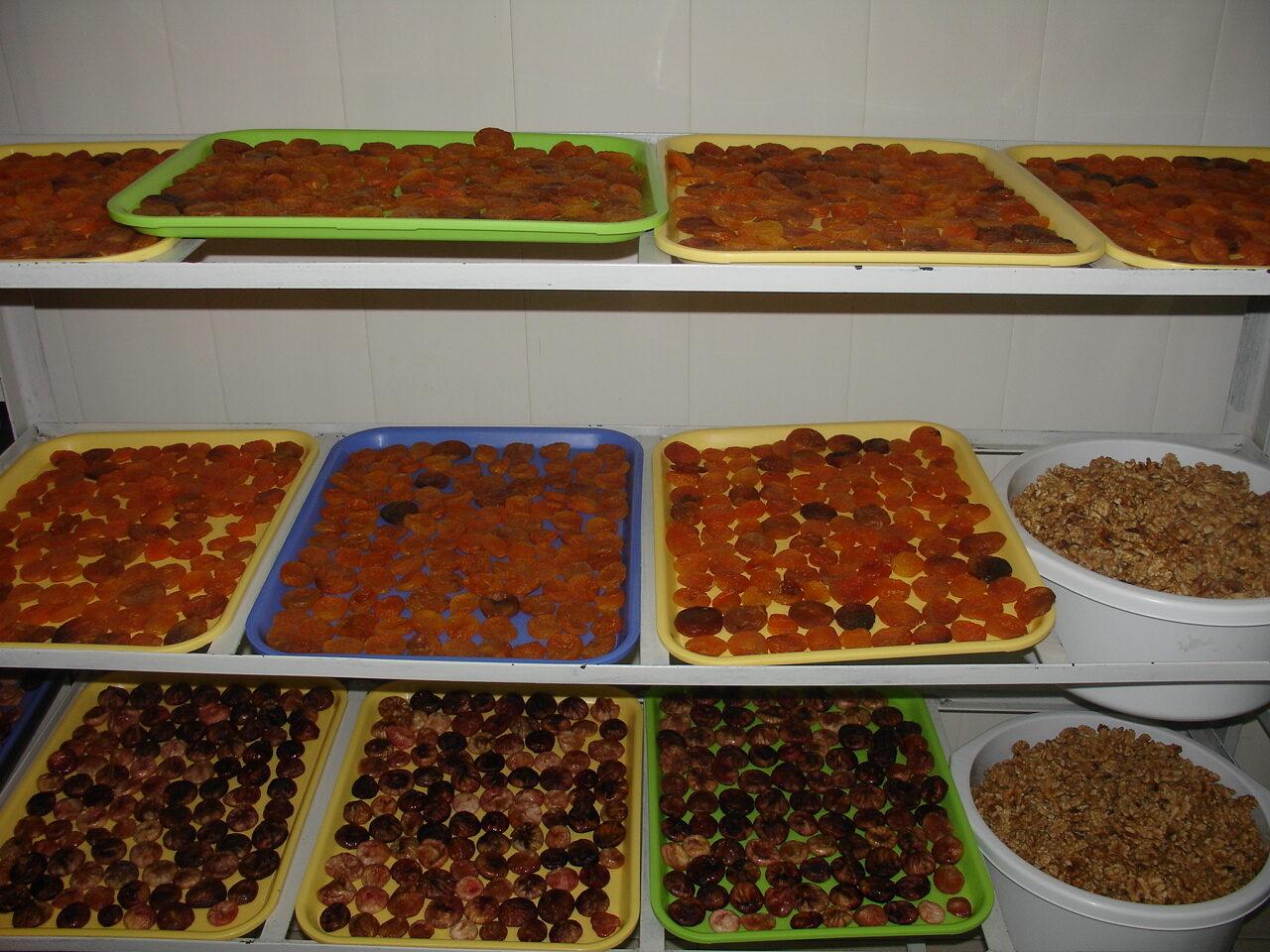
| Dried apricots | 0813 10 00 | 5.6% | 0%, no volume limit |
| Prunes | 0813 20 00 | 9.6% | 0% |
| Jams | 2007 99 97 | 24% | 0% |
| Honey | 0409 | 17.3% | 0% |
| Fresh cut roses | 0603 11 00 | 8.5 to 12% depending on the season | 0% |
| Shelled walnuts | 0802 32 | 5.1% | 0% |
| Raisins | 0806 20 | 2.4% | 0% within the quota |
| Fresh apricots | 0809 10 00 | 20% and entry price | 0% within a quota of 7,000 t |
| Brandy | 2208 20 19 | 0% | 0%, unchanged |
| Still wine | 2204 21 93 | EUR 13.10/hl | EUR 13.10/hl: wine is excluded |
The "before" rates are the full duties that applied after leaving the GSP. Before pricing an offer, check the exact line for your product in TARIC.
Quotas: first come, first served
Eight lines enter duty-free only within an annual volume: fresh or dried grapes (5,000 t), fresh apricots (7,000 t), cucumbers (6,500 t), peaches and nectarines (3,500 t), strawberries (2,500 t), sweet cherries (2,000 t), plums (1,500 t) and pears (750 t). The volume is allocated in the order in which declarations for release for free circulation are accepted: the first lot declared is the first served.
The 2026 period carries the full annual volume, but falls outside the season: for fresh fruit, the first useful season is 2027. Dried apricots are not under quota.
The conditions
- Armenian origin must be proved, by an EUR.1 certificate or an origin declaration on the invoice. Our guide Proving Armenian origin explains both.
- Transport must be direct. Transit through Georgia or Turkey is allowed, under customs control.
- Armenia must meet the conditions of the text: introduce no new duties on EU products, cooperate on origin verification and respect democratic principles. Otherwise, the EU may suspend the scheme.
What the regulation leaves unchanged
Customs duty was rarely the real barrier: the Commission estimates the revenue lost to the EU at less than EUR 3 million a year. Sanitary rules remain fully in force: mycotoxin limits for dried fruit, the list of authorised countries for honey, the VI-1 document for wine, naming rules for brandy. And the European importer of record still bears the customs debt and responsibility for labelling and product compliance.
What most Armenian producers lack, then, is not a rate but a named buyer in Europe and a file that passes these checks. That is the desk's work: checking the producer and assembling the file before the first sample.
Until when
The scheme ends on 11 October 2028. The text makes no provision for an extension: a new regulation would be needed. And Armenia will not return to the GSP: the new GSP regulation, applicable from 1 January 2027, lists it as an eligible country, without a scheme. A deal started today therefore has two seasons ahead of it, 2027 and 2028.
In the catalog
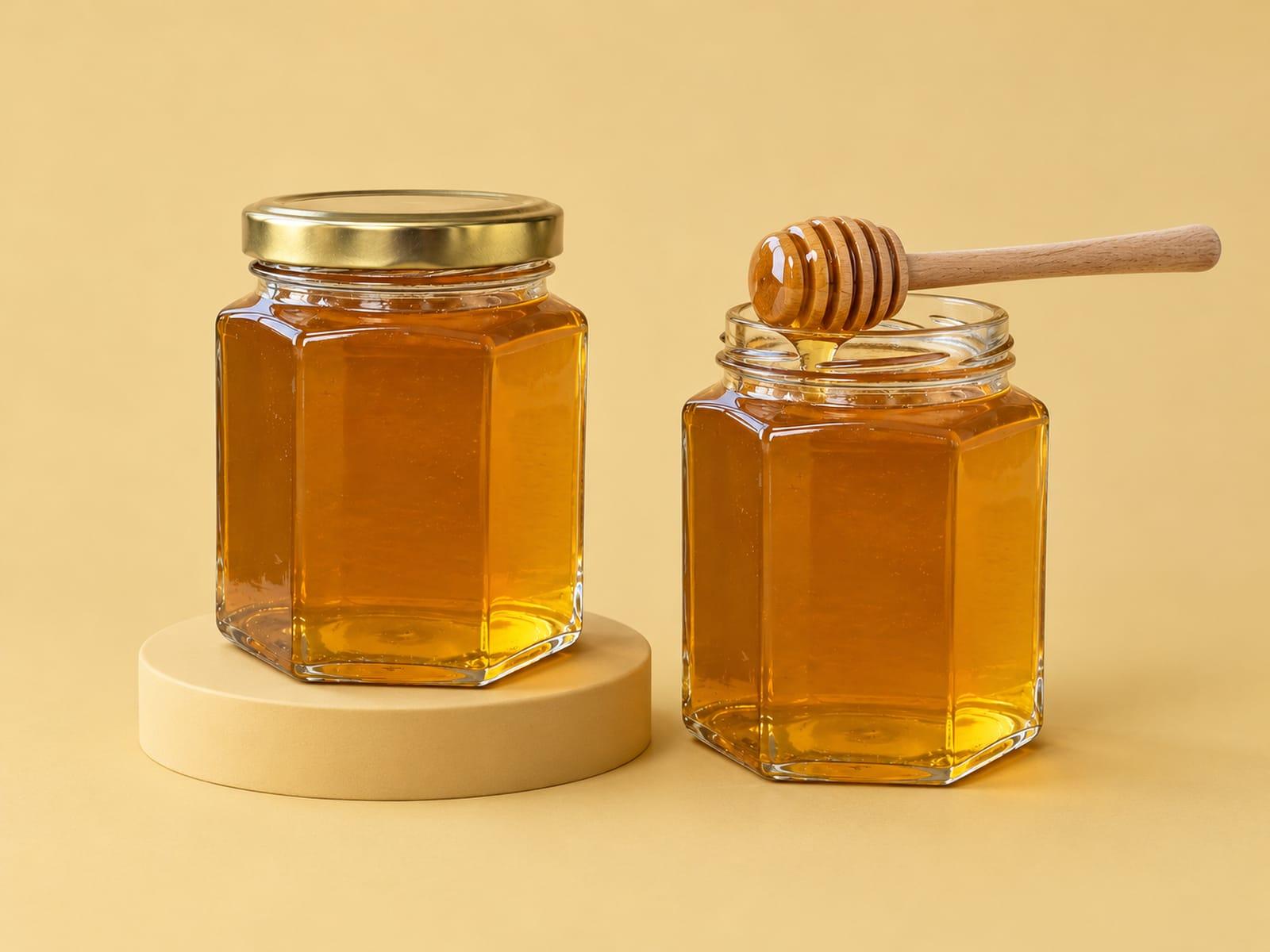

Honey · Syunik highlands
Mountain wildflower honey
- FCA
- from €6.50 / kg
- EU duty
- 17.3%then0%

Cut flowers · Kotayk
Red Naomi rose
- FCA
- from €0.35 / stem
- EU duty
- 8.5-12%then0%
* Illustrative listing: specifications, prices and the producer's figures show the shape of an offer, not a quote. Certifications are confirmed in the file of each firm offer.
Sources
- Regulation (EU) 2026/2269, EUR-Lex
- Commission proposal, COM(2026) 348, § 4
- Armenia leaves the GSP on 1 January 2022, Access2Markets
- Regulation (EU) 2026/1395, the new GSP
- EU quotas for Armenia, ACSES
- Armenian exporters looking for European buyers, FreshPlaza
- Armenia's apricot industry turns to other markets (Russia's share in 2025, ACSES), FreshPlaza